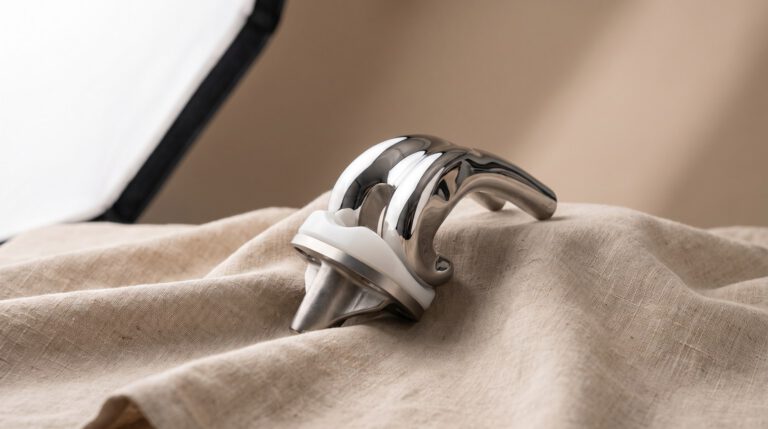
Wear of the cartilage that lines the knee joint, causing pain, stiffness and swelling. Many people improve with simple measures; some need an injection or an operation.
Knee arthritis usually comes on gradually. Common symptoms include:
Pain when walking, on stairs or getting up from a chair
Stiffness after sitting or first thing in the morning
Swelling, or a feeling of warmth in the knee
Grinding or clicking as the knee moves
A knee that feels weak or gives way
Causes
Cartilage naturally thins with age. Arthritis is more likely after a previous injury such as a meniscal tear or fracture, when the leg is out of alignment, with extra body weight, or when it runs in the family.
How it is diagnosed
Mr Morapudi will ask about your symptoms and examine your knee. Imaging helps to confirm the diagnosis and plan treatment.
1
Consultation
History and examination of the knee and hip.
2
Standing X-rays
To see the joint space and the alignment of the leg.
3
MRI if needed
When the cartilage or meniscus needs a closer look.
4
Your plan
Options explained, from self-help to surgery.
Treatment options
Treatment usually starts with the simplest option. If symptoms continue, the next step may be considered.
Step 1
Self-help and physiotherapy
Exercise, weight management and pain relief
Step 2
Injections
Joint injections or viscosupplementation
Step 3
Knee osteotomy
Realignment for arthritis on one side
Step 4
Knee replacement
For advanced arthritis
Living with knee arthritis
Small changes can make a real difference to day-to-day comfort:
Keep active with low-impact exercise such as walking, cycling or swimming
Strengthen the muscles around the knee with a physiotherapy programme
Use pain relief as advised by your GP or pharmacist
Supportive footwear, and a stick in the opposite hand on bad days
See your GP or seek urgent advice if your knee becomes hot, red and very swollen, or if you feel unwell with a fever.
Questions about knee arthritis
Will my knee arthritis get worse?
Arthritis often changes slowly, and symptoms can come and go. Many people manage well for years with the right exercise and support.
Is surgery the only option?
Answer to follow: awaiting client copy.
Am I too young for a knee replacement?
Answer to follow: awaiting client copy.
On this page
Talk through your options
Appointments at Spire Regency, Spire Manchester and Spire Hale Clinic. Self-pay and insured patients welcome.